
What makes temperature monitoring harder across multiple sites?
Multi site operations amplify small problems. One failed cooler probe or missed check can turn into spoilage, compliance risk, or a brand damaging customer incident.
They also deal with uneven training and shifting staff. Even when SOPs exist, manual temperature checks can be skipped, written incorrectly, or done too late to prevent loss.
What should a franchise look for in a temperature monitoring solution?
They should prioritize centralized visibility first. If corporate cannot see every location’s critical units in near real time, the system will not scale.
Next, they need reliable sensors, simple setup, and audit ready reporting. The best tools reduce steps for store teams while giving leadership confidence that data is complete and defensible.
How do centralized dashboards improve operational control?
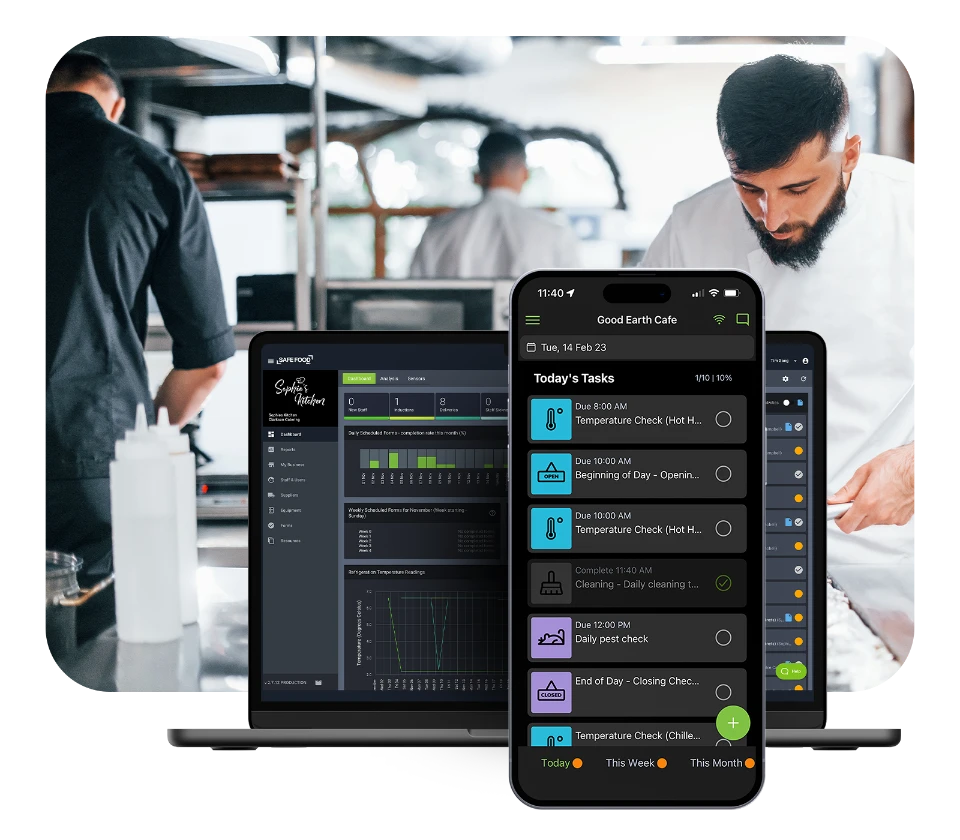
A centralized dashboard powered by advanced temperature monitoring solutions answers a critical operational question in real time: which locations require immediate attention? It enables operations teams to identify recurring patterns, such as a site experiencing repeated overnight temperature spikes, and take proactive corrective action.
Scalable temperature monitoring solutions also drive enterprise-wide standardization. When every location adopts consistent device naming conventions, alert thresholds, and reporting templates, performance comparisons become data-driven and actionable, while targeted coaching and continuous improvement initiatives become significantly more efficient.
How do alerts and escalations prevent product loss?
Alerts matter only if they reach the right person with clear instructions. A strong system supports role based escalation, such as notifying the on duty manager first, then a regional lead if it is not acknowledged.
They should also look for configurable thresholds and delays. For example, a short door open event should not trigger panic, but a sustained rise should escalate fast.
What types of sensors work best for refrigeration, freezers, and hot holding?
They typically need a mix. Refrigerators and freezers often use air probes, glycol buffered probes for food safety accuracy, and optional door sensors for root cause clues.
Hot holding and warming units benefit from probes designed for higher ranges and stable readings. They should confirm the sensor range, calibration options, and replacement process before standardizing across sites.
How do reporting and audit trails simplify compliance?
They need reports that match how inspectors think. That includes continuous logs, min and max summaries, excursion notes, and clear timestamps.
Audit trails should show who changed thresholds, when a sensor went offline, and whether alerts were acknowledged. This protects them during disputes and reduces the scramble when corporate requests documentation.
How should franchises handle onboarding, training, and rollout?
They should roll out in phases. A pilot across a few representative locations helps validate signal strength, placement, alert settings, and reporting formats.
Training should be designed for turnover. The best approach is short task based guidance, such as where probes go, what an alert means, and what to document after corrective action. Corporate should also maintain a standard playbook so every new store starts with the same configuration.
How can they evaluate ROI beyond the monthly subscription cost?
They should measure shrink reduction, fewer emergency product disposals, and less time spent on manual logging. Even small savings per site can add up quickly at scale.
There is also risk reduction. Fewer temperature excursions means fewer customer complaints, fewer insurance events, and stronger compliance posture. For many operators, that avoided downside is the biggest return.
What common mistakes should multi site operators avoid?
They should avoid choosing a system that is hard for store teams to use. If the workflow is confusing, staff will bypass it, and data quality will collapse.
They should also avoid under planning connectivity. Some locations need Wi Fi adjustments, gateways, or better placement to prevent signal dropouts. Finally, they should not ignore governance, like who owns alert settings and how often calibration checks occur.
What is a practical checklist they can use to choose a solution?
They can use this short checklist to compare vendors and internal requirements:
- Can corporate view all locations from one dashboard with role based access?
- Are alerts configurable with escalation and acknowledgement tracking?
- Do sensors fit their use cases, including buffer probes and high range options?
- Are reports audit ready with exports, timestamps, and tamper resistant logs?
- How easy is installation across different store layouts and equipment brands?
- What happens when a sensor fails, loses power, or goes offline?
- Does the vendor support multi site rollouts, standardized templates, and training?
- Can they integrate with existing tools, such as QA systems or ticketing?
How should they get started in the next 30 days?
They should start by mapping critical control points at each site, such as walk ins, prep coolers, freezers, and hot holding. Then they can pilot a solution at a few locations, tune thresholds and escalation rules, and standardize naming and reporting.
Once the pilot is stable, they can scale with a repeatable install kit and a simple response playbook. That is how multi site operators turn temperature monitoring from a daily chore into a reliable, brand protecting system.
FAQs (Frequently Asked Questions)
What challenges do multi site food and pharmacy operations face in temperature monitoring?
Multi site operations magnify small problems like failed cooler probes or missed checks, leading to spoilage, compliance risks, and potential brand damage. They also contend with uneven training and shifting staff where manual temperature checks can be skipped, recorded incorrectly, or done too late to prevent loss.
What features should franchises prioritize when choosing a temperature monitoring solution?
Franchises should prioritize centralized visibility to monitor all locations’ critical units in near real time. Reliable sensors, simple setup, audit-ready reporting, and tools that reduce steps for store teams while ensuring complete and defensible data are essential for scaling effectively.
How do centralized dashboards enhance operational control across multiple sites?
Centralized dashboards quickly identify which locations need attention by spotting patterns such as repeated overnight temperature spikes. They support standardization through consistent device naming, alert thresholds, and report templates, making comparisons meaningful and coaching easier.
In what ways do alerts and escalations help prevent product loss in multi site operations?
Effective alerts reach the right person with clear instructions using role-based escalation—such as notifying the on-duty manager first and escalating to regional leads if unacknowledged. Configurable thresholds and delays ensure only significant issues trigger escalations, preventing false alarms from short events like brief door openings.
What types of sensors are best suited for refrigeration, freezers, and hot holding units?
A mix of sensors is ideal: air probes and glycol buffered probes provide food safety accuracy for refrigerators and freezers; optional door sensors offer root cause insights. Hot holding units benefit from probes designed for higher temperature ranges with stable readings. Confirm sensor range, calibration options, and replacement processes before standardizing.
How do reporting and audit trails simplify compliance for franchises?
Reports should include continuous logs, minimum and maximum summaries, excursion notes, and clear timestamps aligned with inspector expectations. Audit trails documenting threshold changes, sensor offline events, and alert acknowledgments protect franchises during disputes and streamline corporate documentation requests.
Click here for about: What Is a HACCP System and Why Is It Critical for Multi-Site Operators?